
Why do we excel at analyzing others’ movement, yet struggle to apply the same insight to ourselves?

This question drives the exploration of how outward focus and the advisor role can protect us from self-examination and hinder personal growth. Observing others reveals traits that influence their behavior, achievements, posture, flexibility, expression, and responsiveness. When we focus on another person, we quickly see their strengths, weaknesses, and reasons for struggle. Observing others is faster and clearer than observing ourselves.Focusing on another person’s state, rather than our own feelings, helps us objectively assess how their condition relates to their life. Observing from the outside creates the emotional distance necessary for impartial analysis and enables us to spot inconsistencies, rigidity, superficiality, or loss of functionality in others without disturbing our sense of safety.
Continue ReadingWhy do we excel at analyzing others’ movement, yet struggle to apply the same insight to ourselves?

The Case of Elvan Abeylegesse

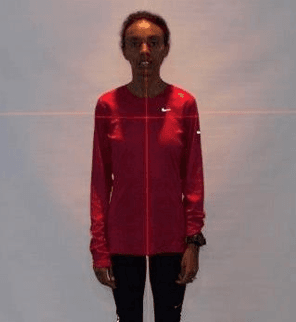
The conditioning coach of the Turkish national running team, Nikola Borić, asked me to take a look at the X-ray images of his athlete Elvan, who had hit her left knee two weeks earlier while stepping out of a car. Since then, she had visibly altered her running movement, and as a result, her performance had worsened. She increasingly complained of pain in her right leg and on the right side of her pelvis. The coach also wrote that he had the impression that during running, her left leg was lagging behind. They also sent me a photograph, and from her body posture it was clear that she was leaning to the right; her spine was excessively curved, her torso tight, which caused her to sway while running, likely leading to stress fractures—fatigue-induced microfractures—in her right leg. (The X-rays showed cracks on her right femur, which, according to a radiologist from Istanbul, were the result of running, and I myself saw how excessively she was straining her right leg—over a 42 km run, such micro-injuries are bound to occur.)

Continue ReadingThe Case of Elvan Abeylegesse

The Case of Birsen Yavuz Engin

It was by no means either intentional or accidental that on that day I ended up with my athlete at a longtime friend’s place. It was once again one of those days of frustration, helplessness, and despair, as it had been during the last three months of intensive treatments: massages, magnets, electrostimulation, physical therapy, and who knows what else in the most expensive hospitals in Istanbul, with the best specialists and doctors. The diagnosis was fluid buildup around the bone due to an injury six months earlier; the pain “wandered” from the knee all the way to the pelvis. My athlete was unable to sit, drive a car, or walk, and we could not even think about training. This was followed by three months of treatment with anti-rheumatic injections, accompanied by headaches; the possibility of surgery was indicated if the treatment did not help. I was afraid of losing the season and the Olympic Games in Rio de Janeiro two years away.

Continue ReadingThe Case of Birsen Yavuz Engin

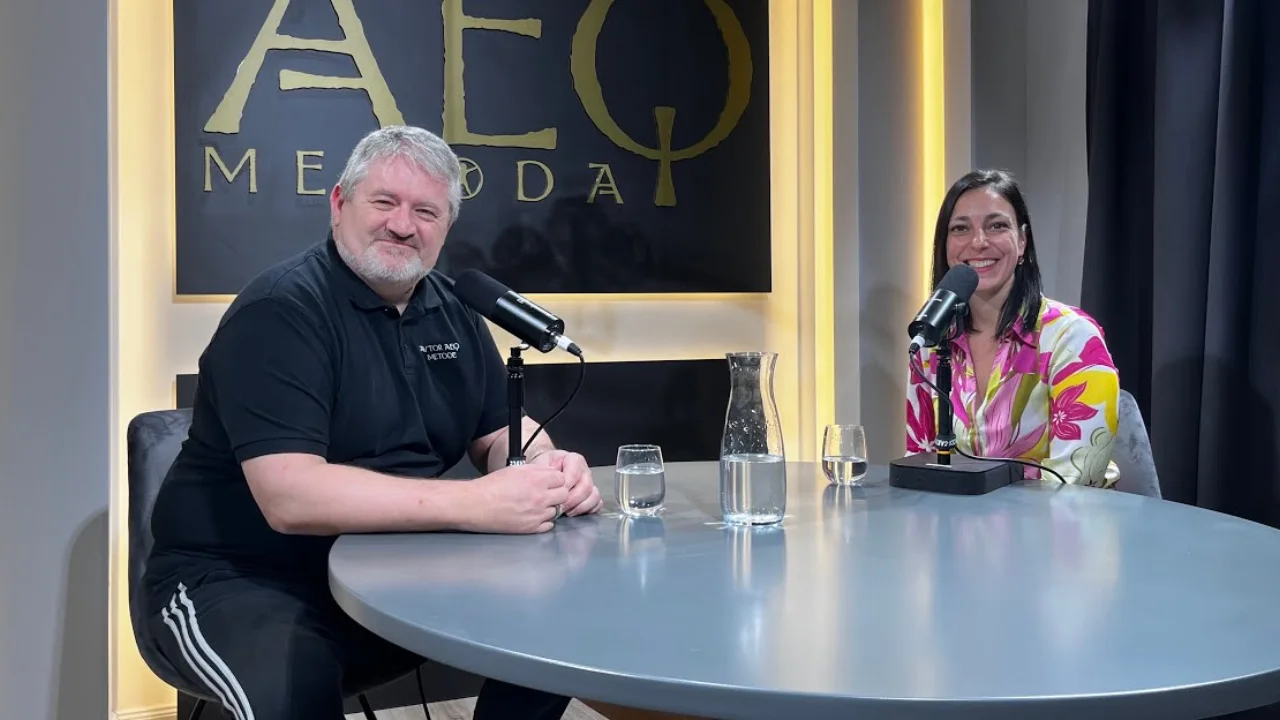
AEQ Podcast #23 – Romantic Relationships in Modern Times with Psychotherapist Eva Erpič

The topic of this podcast is how to find, maintain, and improve a romantic relationship over time so that it continues to grow stronger. But how can we even establish a quality relationship if we lack a solid foundation that should have been...

Continue ReadingAEQ Podcast #23 – Romantic Relationships in Modern Times with Psychotherapist Eva Erpič

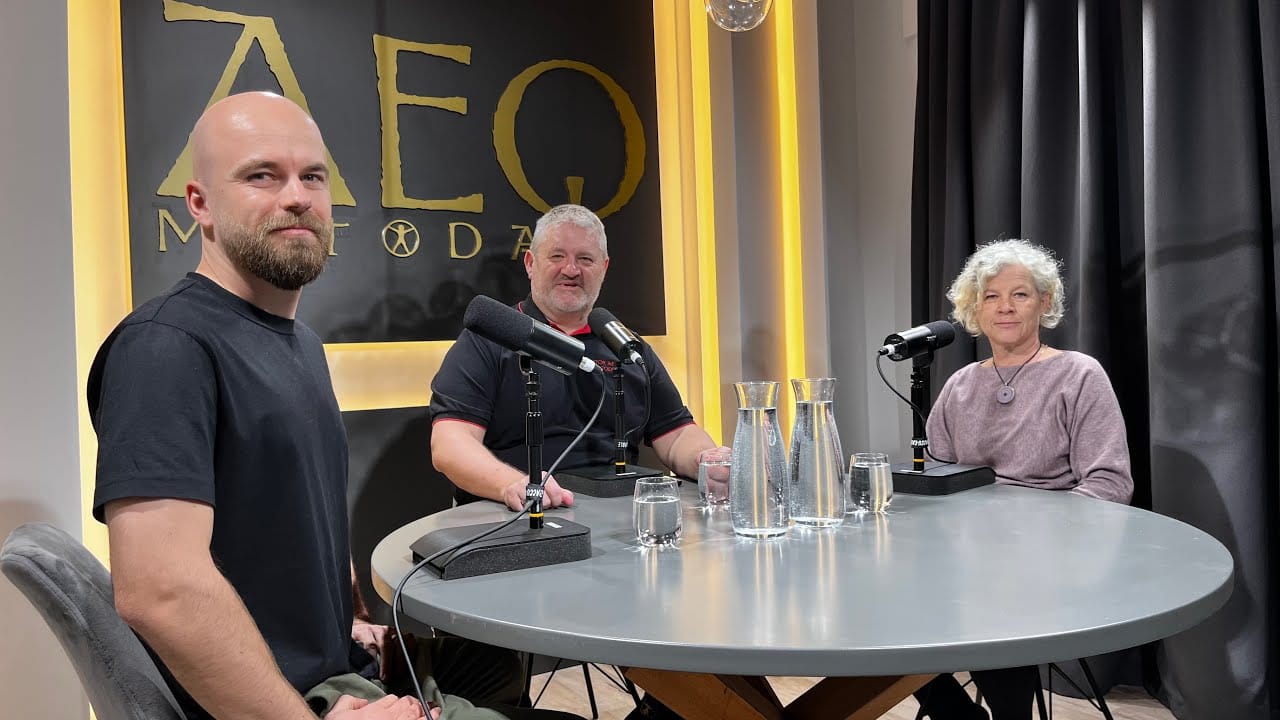
AEQ Podcast #21 – Personal Experiences with the AEQ Method (Janez Jordan, Petra Jazbec, Nina Korenc)

In this episode, we explore the personal stories of three individuals, how they use the AEQ method, and how they evolve through it. Nina Korenc is a veterinarian, leader, and director of a veterinary clinic in Jesenice. How does such work...

Continue ReadingAEQ Podcast #21 – Personal Experiences with the AEQ Method (Janez Jordan, Petra Jazbec, Nina Korenc)

AEQ Podcast #20 – Personal Experiences with the AEQ Method (Jani Nedeljko and Milena Križnik)

In this episode, Jani and Milena share their personal experiences with how the AEQ method influenced them through four AEQ programs, which are part of the completed School of Emotional Maturity. Their stories offer deeper insight...

Continue ReadingAEQ Podcast #20 – Personal Experiences with the AEQ Method (Jani Nedeljko and Milena Križnik)

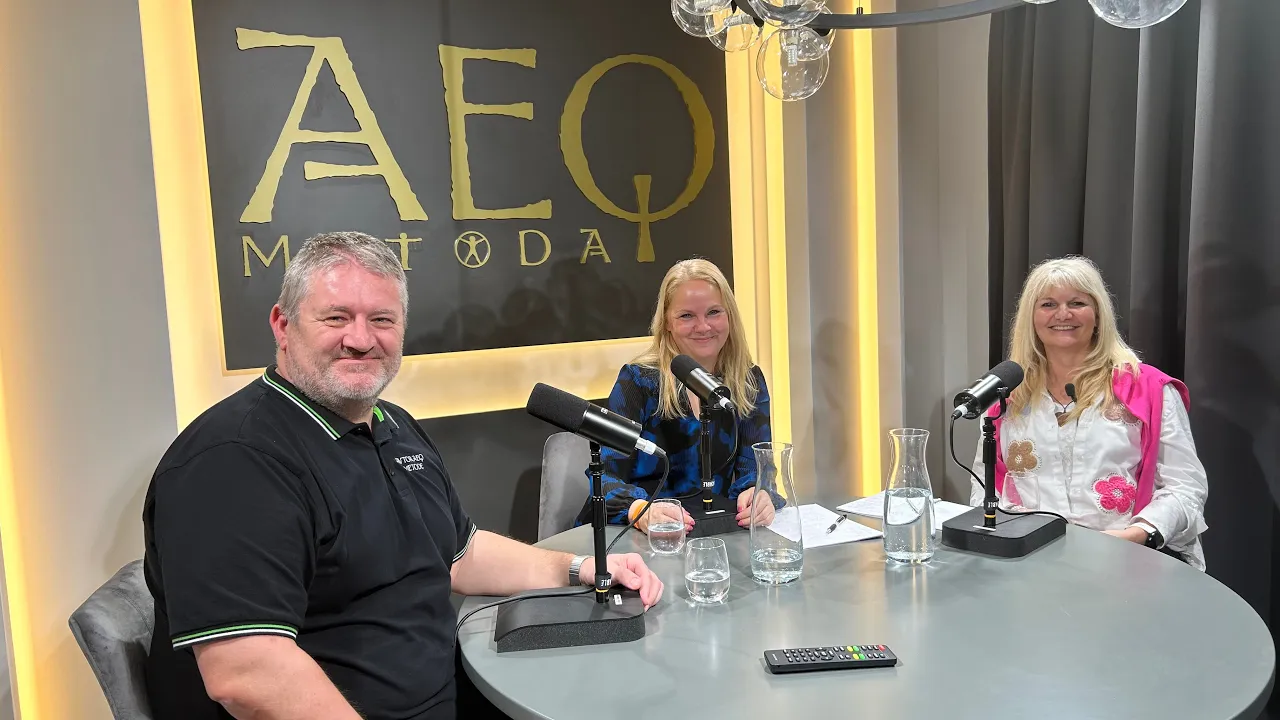
AEQ Podcast #17 –The Impact of Raising Emotional Maturity (Tanja Zajc and Tatjana Vindišar)

Tatjana and Tanja each walked their own thorny path from chronic pain to a better life. Both experienced severe forms of chronic illness and discovered the AEQ method several years ago, using the increase of emotional maturity...

Continue ReadingAEQ Podcast #17 –The Impact of Raising Emotional Maturity (Tanja Zajc and Tatjana Vindišar)

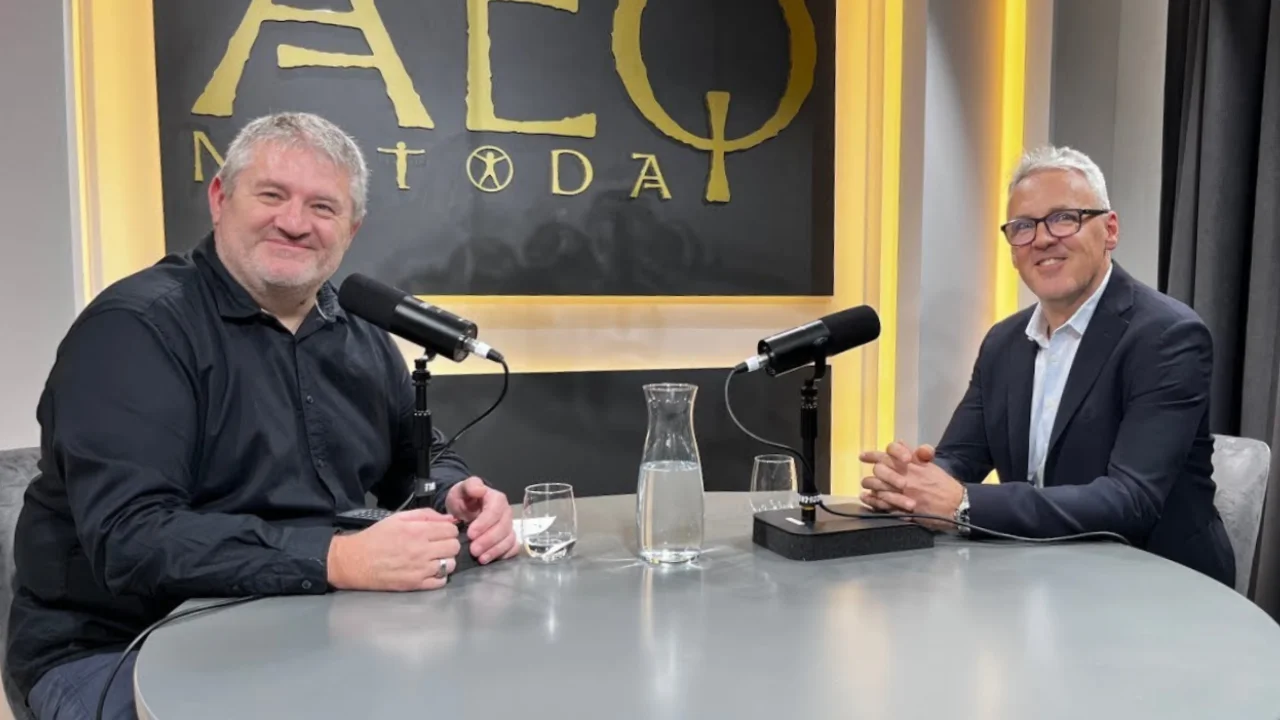
AEQ podcast #7 – Relationship with parents (Ivana Buble) (English subs)

Ivana Buble is a Level 1 AEQ Method teacher. She approached Aleš Ernst in 2014 due to issues with scoliosis and difficulties in her relationship with her partner and parents. Listen to her journey and what she has achieved over the past nine...

Continue ReadingAEQ podcast #7 – Relationship with parents (Ivana Buble) (English subs)

I am very satisfied and surprised at how the AEQ techniques are affecting me

During the first week, or rather the first few days of exercises, I was getting accustomed to the terminology of SMA and AEQ explanations regarding the influence of personal, inherited, and environmentally transferred emotions and impulses, which evidently...

Continue ReadingI am very satisfied and surprised at how the AEQ techniques are affecting me